


The Ladies that play golf with me
A good portion of my golf these days is played in mixed groups, and I’ve been fortunate to tee it up regularly with a terrific group of women golfers who bring very different styles—and personalities—to the course.
Tara is the most decorated player of the group. She was an outstanding collegiate golfer at Boise State and even played a few Futures Tour events before deciding that life in the tech world was a better long-term career path. These days she works for a software company and spends some time in the pro shop, but the competitive edge is still very much there. She often plays from the blue tees with the rest of us on our 6,400-yard course and regularly shoots near par.
Laurie is the relative newcomer. She has only been playing golf for about four years, but her game improves every season. She drives the ball about 160 yards, keeps it in play, and has developed a remarkable ability to hole putts inside six feet. Many a match has quietly swung when Laurie steps up and rolls another one right into the middle of the cup.
Lee Ann is a low-handicap amateur who plays in women’s events around the country. She brings both skill and power to the group and has a driver that can surprise people who assume they know how far women golfers hit the ball.
Karrie is another regular in the group and brings a great mix of humor and competitive spirit to the course. During the week she serves as a senior executive with an international financial firm, navigating the pressures and decisions that come with a demanding global role. When the weekend arrives, however, the golf course becomes her escape. She plays primarily on weekends and vacations, trading conference calls for tee times. Karrie plays fast and brings both laughter and intensity to the links, enjoying the camaraderie of the group.
Susan and Jan round out the group beautifully. Susan has been around the game her whole life and is simply a wonderful playing partner—the kind of golfer everyone hopes to be paired with on the first tee. Jan is the group’s resident storyteller, keeping everyone entertained between shots and after the round. Both remind us that golf is as much about friendship and laughter as it is about scorecards.
Together they represent everything that makes mixed golf enjoyable: different skill levels, different playing styles, and a shared appreciation for a good day on the course.




Golf is one of the few sports where men and women can truly compete together. The handicap system, multiple tee options, and the strategic nature of the game make mixed groups both common and enjoyable.
Yet despite that, plenty of myths still float around locker rooms and tee boxes about mixed-gender golf. After years of playing rounds with golfers of all abilities—men and women alike—I’ve learned that most of these assumptions don’t hold up very well on the scorecard.
Here are five of the most common myths.
Myth #1: Mixed Groups Play Slower
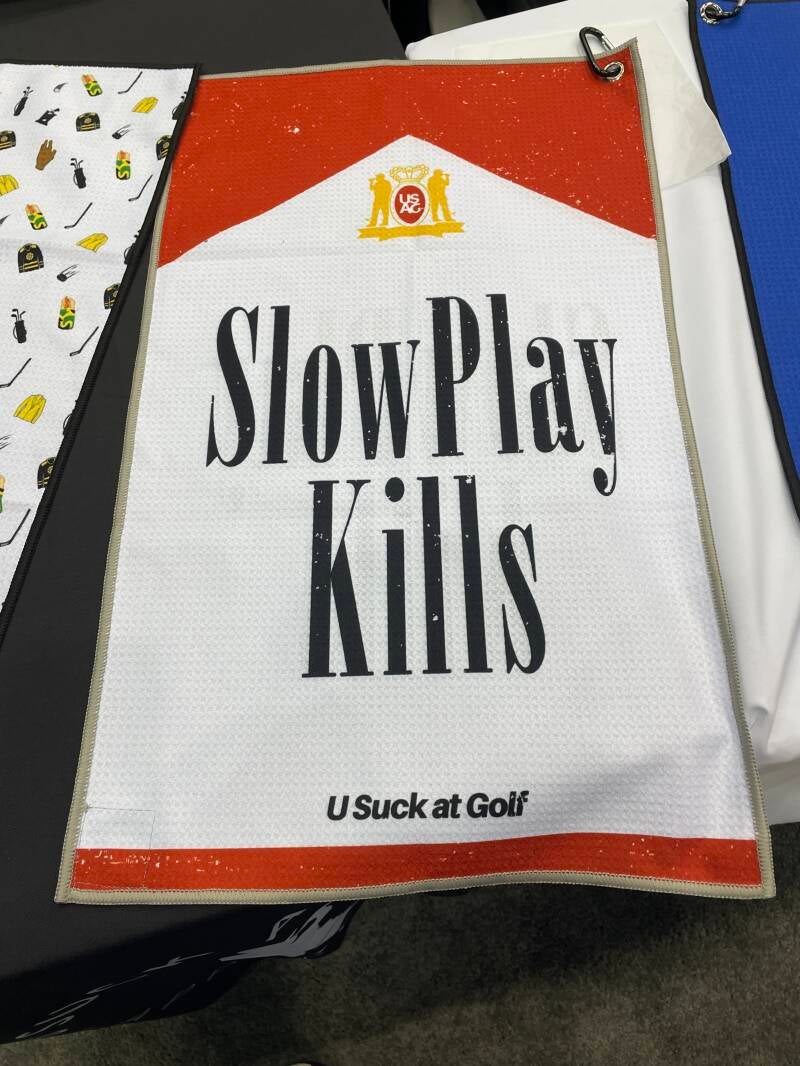
Many golfers assume that a mixed group will automatically slow down the pace of play. In reality, pace usually depends on habits, not gender.
A player who takes five practice swings, studies every putt from four angles, and tells a long story between shots will slow the round regardless of who they are. Meanwhile, many women golfers play extremely efficiently—step up, hit the shot, and keep moving.
In my experience, some of the fastest rounds I’ve played have been in mixed groups.
Myth #2: Women Can’t Compete From the Same Tees
Distance differences exist, but they don’t automatically determine who posts the lowest score.
One of the players I often play with, Tara, tees it up from the same blue tees as the rest of us on a 6,400-yard course. Over the past few weeks she’s taken low gross twice, proving that precision, course management, and putting matter far more than raw yardage.
Golf rewards the player who controls the ball and avoids mistakes. Distance is helpful, but it’s only one piece of the puzzle.
Myth #3: Women Don’t Hit It Far
This myth tends to disappear the first time someone watches Lee Ann hit a driver.
Playing from the copper tees, she regularly drives the ball past many of the men. Modern instruction, athleticism, and equipment have changed the distance conversation. There are plenty of women golfers who can launch it.
Nothing quiets a tee box faster than someone stepping up and sending a drive 20 yards past everyone else.
Myth #4: The Handicap System Doesn’t Work in Mixed Play
Some golfers believe mixed matches are unfair or complicated. In reality, the handicap system is designed specifically to allow golfers of different abilities and different tees to compete fairly.
Course rating and slope adjustments account for the relative difficulty of each tee. When applied correctly, a player from the forward tees and a player from the back tees can compete on an even playing field.
The system isn’t perfect—but it works remarkably well.
Myth #5: Mixed Golf Isn’t Competitive
Some people assume mixed rounds are more social than competitive. That might be true in some settings, but in many cases the opposite is true.
The same competitive instincts appear whether the group is all men, all women, or mixed. Pars still matter. Birdies still feel great. And everyone still wants to win the match. Laurie and I have a putting contest every time we play together. It gets intense if it's close going into 18.
In fact, mixed groups often produce some of the most interesting rounds because different playing styles collide. One player may overpower the course, another may rely on precision, and someone else may quietly save strokes on the greens.
Five Things That Actually Slow Down Mixed Golf
Whenever the topic of mixed-gender golf comes up, someone inevitably claims that mixed groups are slower. In reality, gender rarely has anything to do with pace. The real culprits tend to be far more universal.
Here are five things that truly slow down a round of golf.
1. The “Tour Player” Routine
You know the player. Two practice swings. Step back. Another look. One more rehearsal swing. Then a restart because the wind shifted three miles per hour. PGA Tour players take that long because they’re playing for millions. Your Saturday group is playing for a couple of dollars and a sleeve of balls.
2. The Four-Sided Putt Reader
Some golfers circle the hole like archaeologists studying ancient ruins. Front view. Back view. Side view. Crouch. Stand up. Re-crouch. Meanwhile, the rest of the group already knows the putt breaks slightly right.
3. The Ball Hunter
Every group has one player who refuses to abandon a lost ball. Even when it disappeared into a jungle of rough that hasn’t been cut since the Eisenhower administration.
4. The Story Teller
Golf is social, and that’s part of the charm. But when the story about a cousin’s fishing trip pauses the group in the middle of the fairway for five minutes, pace of play begins to suffer.
5. The “Practice Swing Divot” Artist
Nothing quite stalls a round like someone taking a practice swing that produces a divot large enough to qualify as landscaping.
The Real Lesson from Mixed Golf
After hundreds of rounds with this group, I’ve come to realize that mixed golf works for the same reason golf itself works: the game rewards different skills in different ways. Tara might stripe a drive down the middle and attack a pin, Lee Ann might launch one past everyone on the tee, Laurie might quietly roll in another six-footer, and Jan might be telling a story while Susan keeps the group moving along. At the end of the day the scorecard still decides everything, and that’s one of the beauties of golf—it doesn’t care who you are, how far you hit it, or which tee you play from. The only thing that matters is how many strokes it took to get the ball in the hole.
What's your opinion on playing with the opposite gender?
Add comment
Comments
Great piece!