There’s something about a set of irons that marks time better than a calendar. You don’t just remember the clubs—you remember who you were when you swung them. My first set came out of my sister-in-law's parent's garage. They were a mismatched set of 3-5-7-9 iron, 2-wood, 5-wood and putter. I was 12 and just learning. After a couple of months, Mom took me to Kmart.
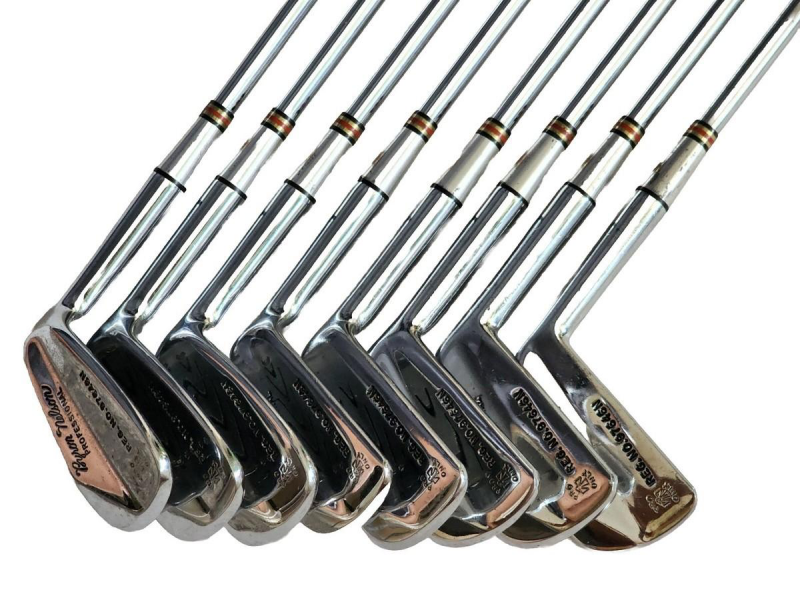
Like a lot of golfers in the 1970s, my entry into the game came courtesy of a department store set. The Lord Byron irons by Northwestern weren’t flashy, but they were everywhere. Back then, Northwestern was the giant of the golf industry—mass-produced, widely distributed, and sitting in racks at Sears, JC Penney, and Kmart.
Those irons weren’t custom. They weren’t even particularly refined. But they were mine. And they were good enough to get me onto my high school team—a milestone that mattered far more than the pedigree stamped on the back of the club.
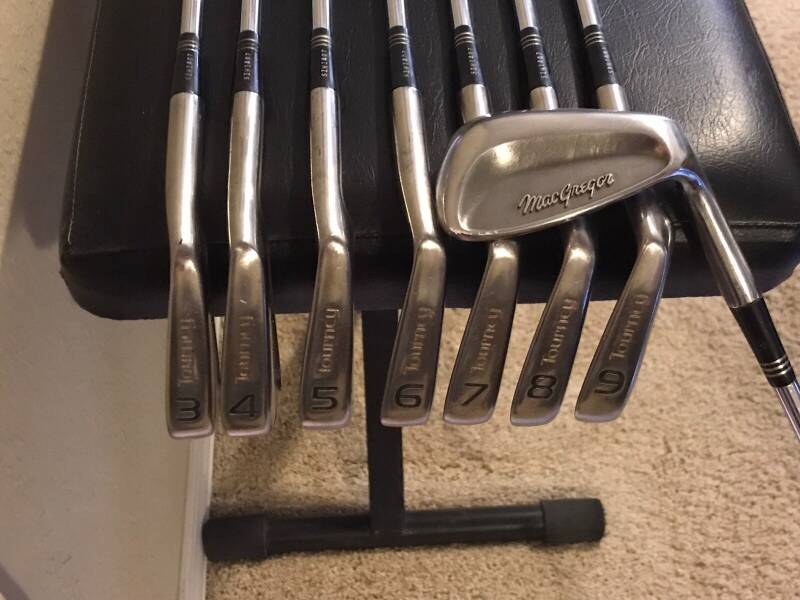
After that first season, my parents made an investment—not just in equipment, but in the idea that maybe this game would stick. The MacGregor Tourney irons were a different world. Clean lines, forged feel, and a reputation that carried real weight at the time.
These were “real” golf clubs. The kind you saw better players using. And with them came a quiet expectation: now it was up to me.
Our team made it to the state high school championship that year. Our cross-town rival, Pueblo South, won state that year with four fantastic players: Jim Brooks, Steve Ivan, Paul Boucher, and Kevin Chapman. Personally, I shot two days at 79-78, not great, but I was still improving. That's a photo of me and our coach, Ken Lewis, at The Country Club of Colorado in 1978.

This set wasn’t just about golf—it was about life.
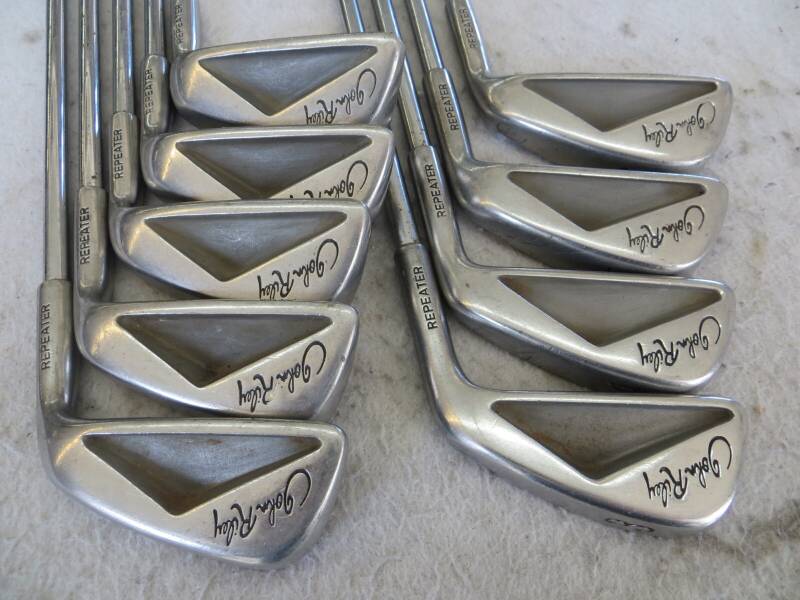
In 1988, for my first Father’s Day, my wife took me to Cannery Row in Monterey and walked me into the John Riley shop. What followed felt almost scientific: hitting balls off a lie board into a net, measurements taken, adjustments discussed. A few weeks later, a custom set of irons showed up built just for me.
Looking back, that moment might have been the first time I realized that equipment could actually fit you, rather than the other way around. And it didn’t hurt that they carried a story I’ll never outgrow.
Then came Ping.
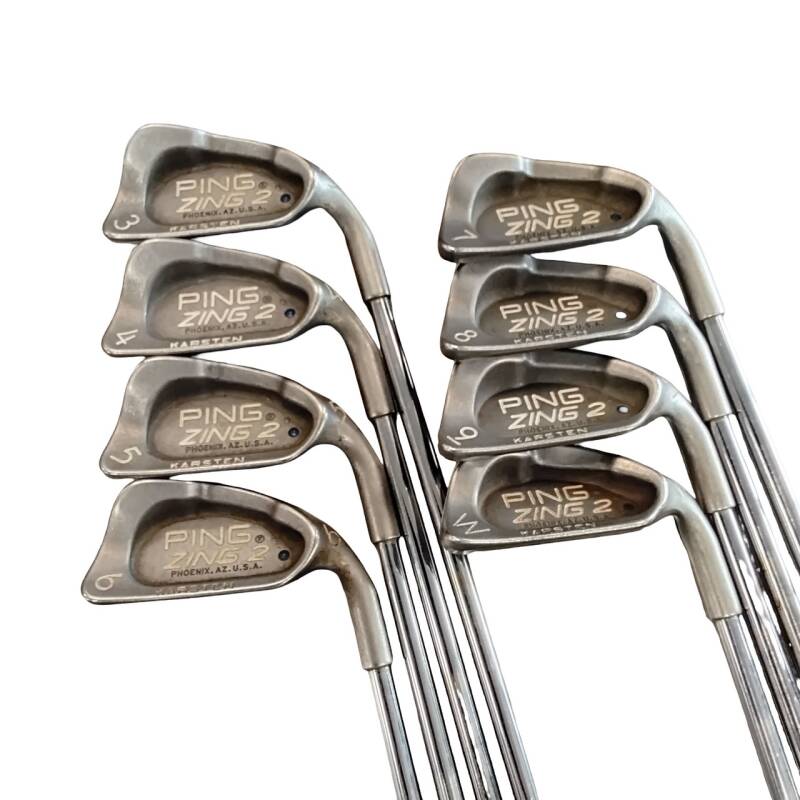
My first set—used Ping Zings—felt like cheating. The ball just went… farther. Higher. Straighter. Karsten Solheim’s designs were ahead of their time, and for a player used to more traditional shapes, the forgiveness was eye-opening.
It was the first time I experienced what modern engineering could really do for a golf swing that wasn’t always perfect.

Experimentation: Wilson Fat Shafts.
Every golfer has a “this sounded like a good idea at the time” chapter.
For me, that was the Wilson Fat Shafts. The theory—more stability through a thicker shaft—made sense. The results? Let’s just say the scoring didn’t quite follow the marketing.
They didn’t last long in the bag.
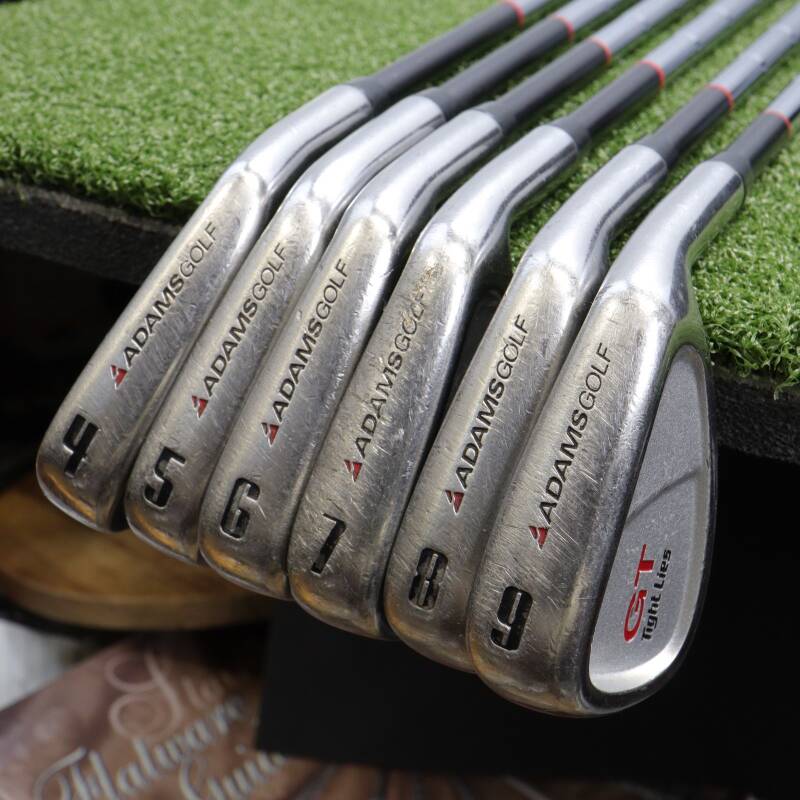
Underrated Performer. Adams.
The Adams GT Tight Lies irons were a pleasant surprise. With their progressive design and graphite shafts, they felt easy to swing and even easier to hit.
Sometimes the best clubs are the ones you don’t overthink. These just worked—and stayed in the bag for a good stretch because of it.
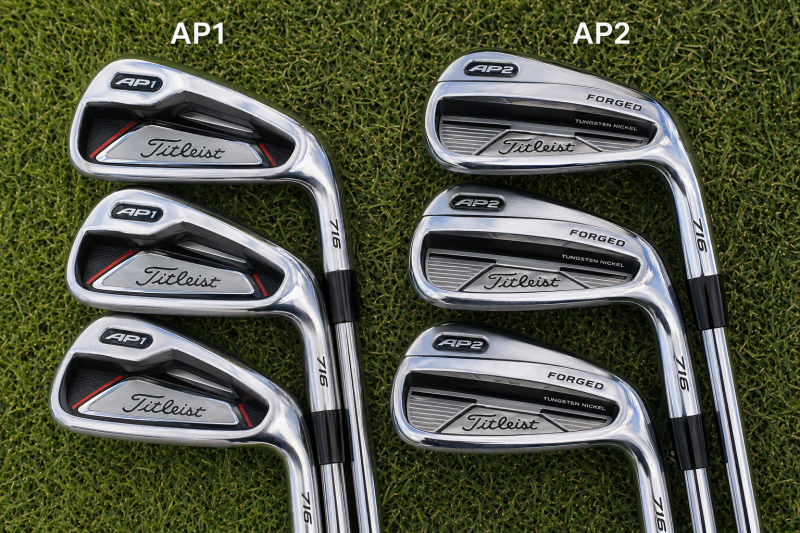
Dialed In: Titleist AP1 / AP2 Combo Set
By this point, fittings had become more precise—and my game had become more defined.
At BritGolf in Bee Cave, Texas, a Titleist rep suggested a combo set: AP1 in the long irons (4–6) for forgiveness, AP2 in the scoring clubs (7–PW) for control and feel. It was a perfect blend, and it suited my eye and my tendencies.
There’s a certain satisfaction when the clubs match the player. This set did. Shot several of my best rounds with them.

A Lucky Day at Golfsmith!
Some sets you choose. Some choose you.
I won a full set of Ping G30s in a raffle at GolfSmith in Austin, and the Ping rep fit me for the entire bag. Not a bad day.
The irony? That same afternoon, I shot 68 at my home course—with my old Titleists.
Still, the G30s proved their worth. I won multiple events with them between 2014 and 2016. They were dependable, forgiving, and built for scoring.
Modern Era: Distance Meets Forgiveness
Over the past decade, the technology curve has been steep. Hollow-body designs, perimeter weighting, stronger lofts—everything built to help you hit it higher, farther, and straighter.
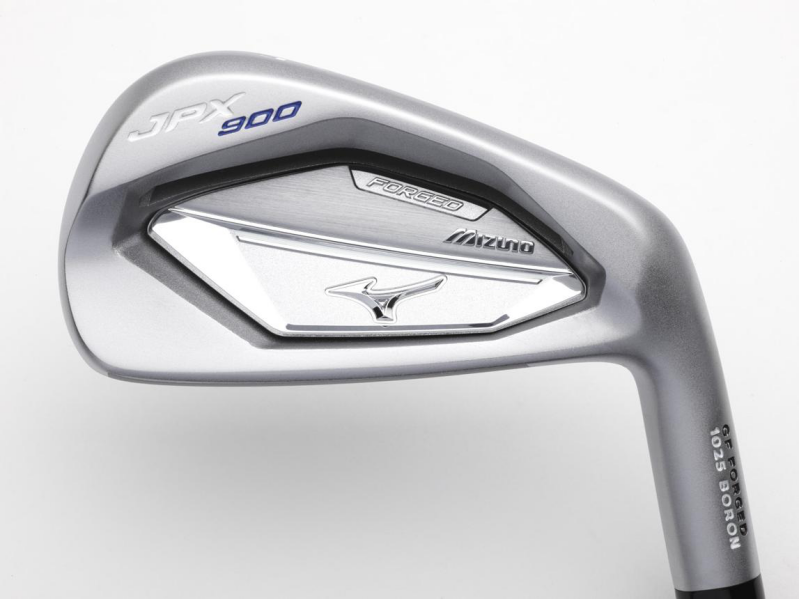
The Ping G700s brought distance. The Mizuno JPX irons added that classic forged feel with modern forgiveness. And now the Ping G440s sit in the bag—a reminder of just how far equipment has come since those Northwestern days.


Full Circle.
When I look back across these sets, it’s not just a progression of technology—it’s a progression of life.
High school tryouts. Early fatherhood. Trips to Monterey. Raffles won in Austin. Rounds with friends. Competitive wins. Quiet practice sessions.
Each set carried a version of me.
And the funny thing is, we’re always just one good fitting—or one lucky raffle ticket—away from the next chapter.
So who knows what the next set will be?
But I do know this: it’ll come with a story.
Add comment
Comments
George, after the head of my gap wedge and 7 iron broke off on my Taylor Made M2 irons last month, I went to the PGA Super Store, had a fitting and bought a set of your current irons - Ping G440's with graphite shafts.