There are golf rounds where you remember the score, and then there are golf rounds where you remember the stories.
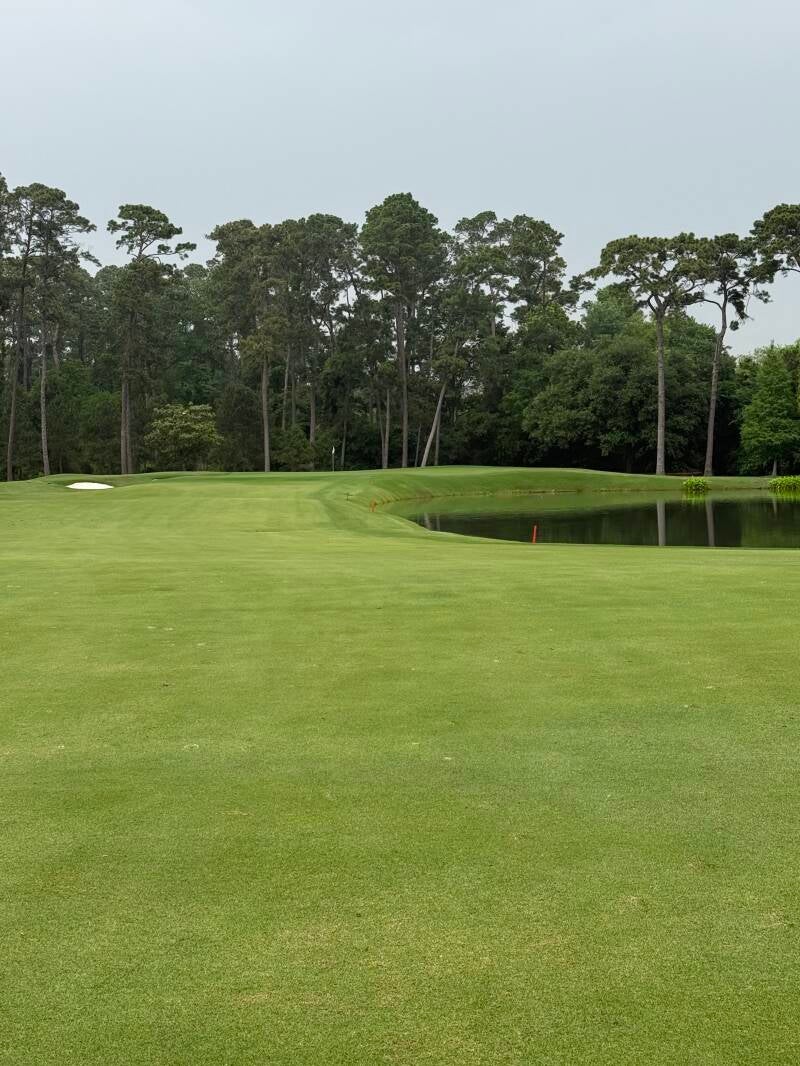
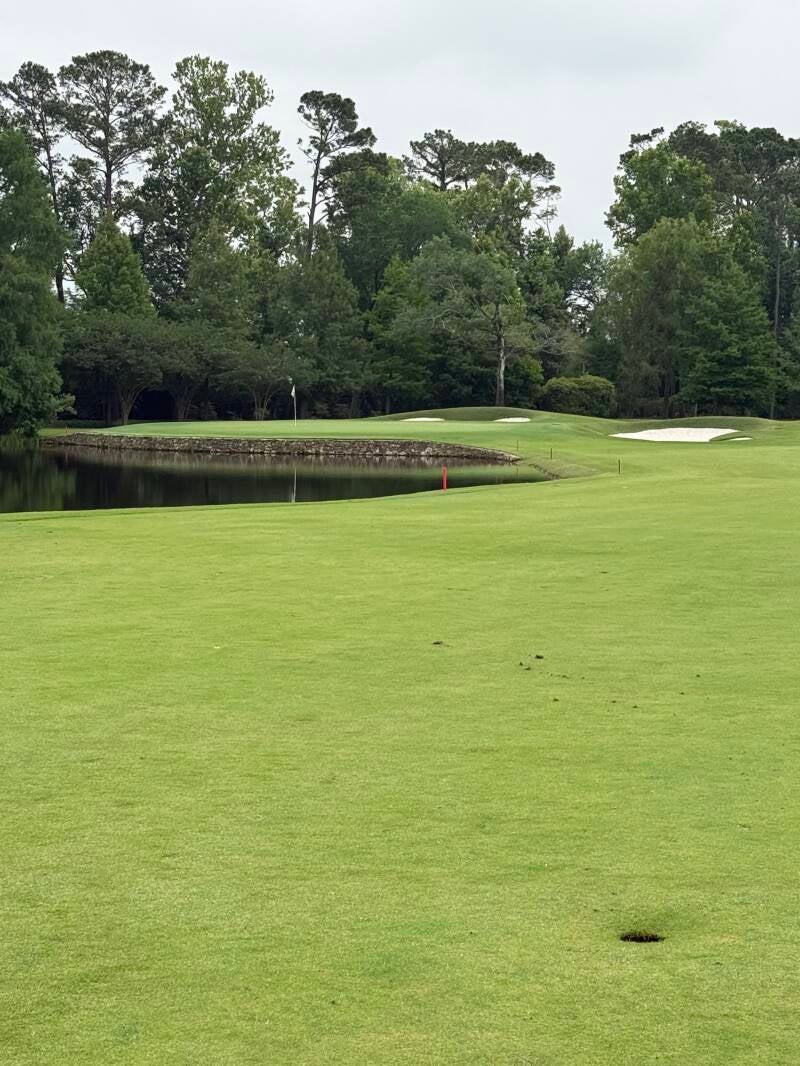
Our day at Lochinvar Golf Club in Houston with Blaine McCallister was the second kind.
Blaine won five times on the PGA Tour and once on what is now the Korn Ferry Tour, but what struck me most during our round wasn’t the résumé. (https://www.texasgolfhof.org/exhibit/blaine-mccallister). It was the curiosity, the humor, and the way golf stories flowed naturally from one fairway to the next. One minute we were discussing bunker shots, the next we were talking about the Artemis missions and how to inspire kids to love science again. As a self-described “Space Nut,” Blaine was every bit as enthusiastic discussing NASA and lunar exploration as he was discussing golf swings. We spent several holes wondering how the excitement of space travel could once again capture young imaginations the way Apollo once did for our generation.
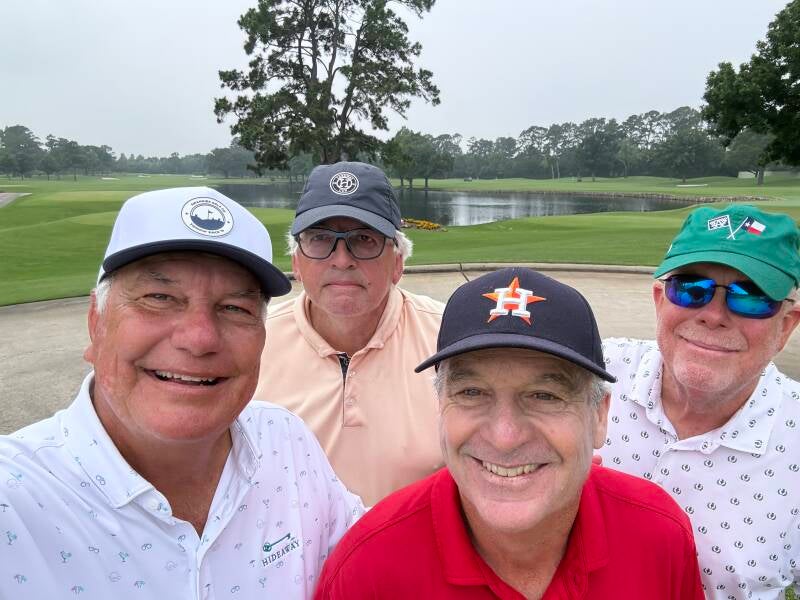
That combination of golf and curiosity felt fitting. Golf, after all, has always been a game of imagination.
Blaine’s stories about the University of Houston were priceless. His fondness for coach Dave Williams was clear. His roommates included none other than Fred Couples and broadcaster Jim Nantz. When I asked him who the greatest ball striker he ever saw was, he didn’t hesitate.
“Freddie,” he said.
Then he paused.
“Until Greg Norman came along.”
According to Blaine, Greg Norman changed professional golf in ways younger fans may not fully appreciate. Norman launched the ball on a towering trajectory unlike anything players were accustomed to seeing in that era. Blaine explained that spectators literally had to change their sight lines when tracking the golf ball through the air. In his opinion, Norman became the catalyst for the modern power game and helped redefine what players believed was possible.

But the best story of the day came when I asked him about the greatest shot he had ever witnessed.
Without hesitation, he told us about playing alongside Tom Weiskopf on a par-5 in Maryland during the persimmon-wood era. Weiskopf hit his drive out of bounds. Then he hit his next shot into a deep fairway bunker. Standing in the bunker, frustrated, with 258 yards left and water guarding the green, Weiskopf barely hesitated. The ball sat on the upslope. He grabbed a persimmon 3-wood — a tiny clubhead by modern standards — walked into the bunker, and launched the shot onto the green to eight feet.
From a fairway bunker.
With persimmon.
From 258 yards.
Blaine just shook his head retelling it.
Even now, decades later, some shots still defy logic.
The stories also reminded us how much professional golf has changed. Blaine laughed while explaining that in the early 1980s, tour players actually paid for their own practice balls at tournaments. Four dollars for a small bucket. Eight for a large one.
“Do pros pay for anything anymore?” someone asked.
Probably not.
Then came another gem over lunch — one that belongs in golf folklore.
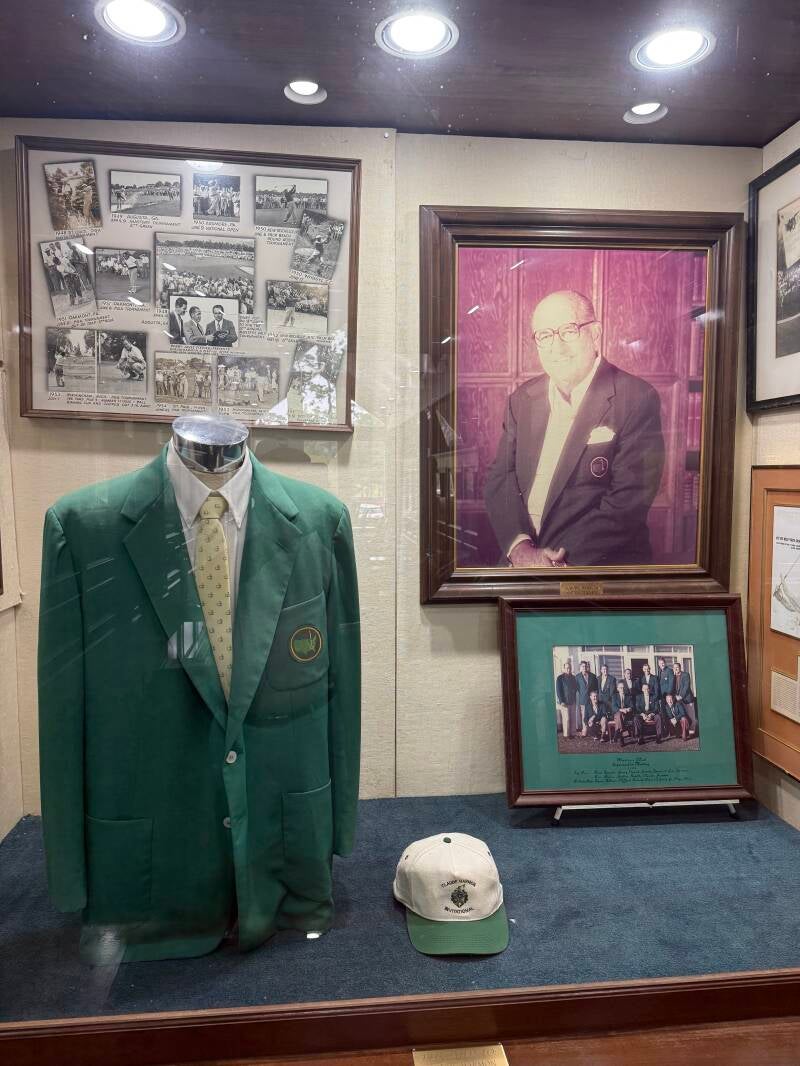
During the legendary 1986 Masters Tournament — yes, that Masters — Blaine was playing a practice round with Mark Calcavecchia, Ken Green, and Paul Azinger. Standing on the famous par-3 16th hole at Augusta National Golf Club, they decided to create a small wager: closest to the pin by skipping the ball across the pond.
At the time, nobody did that.
The players started firing shots low across the water toward the green as patrons gathered around laughing and cheering. Before long, an Augusta National member in a green jacket walked over and informed them that they couldn’t do it.
Naturally, they asked why.
The crowd loved it.
Azinger finished closest to the hole that day, and without anyone fully realizing it at the time, a Masters practice-round tradition was born. Today, the Wednesday skip-shot contest on the 16th hole has become one of the most beloved unofficial traditions at Augusta.
And there sat Blaine McCallister at lunch casually saying, “Yeah, we started that.”
Very cool.


Another memorable story involved Lee Trevino during the Texas State Open at Ram Rock in Horseshoe Bay. Blaine was still a high school senior, paired with Trevino and Keith Fergus in miserable rainy conditions. At one point, Blaine swung so hard his driver flew out of his hands.
Trevino deadpanned:
“Let’s go, kid. We’ll pick it up on the way.”
That one line turned into the beginning of a friendship.
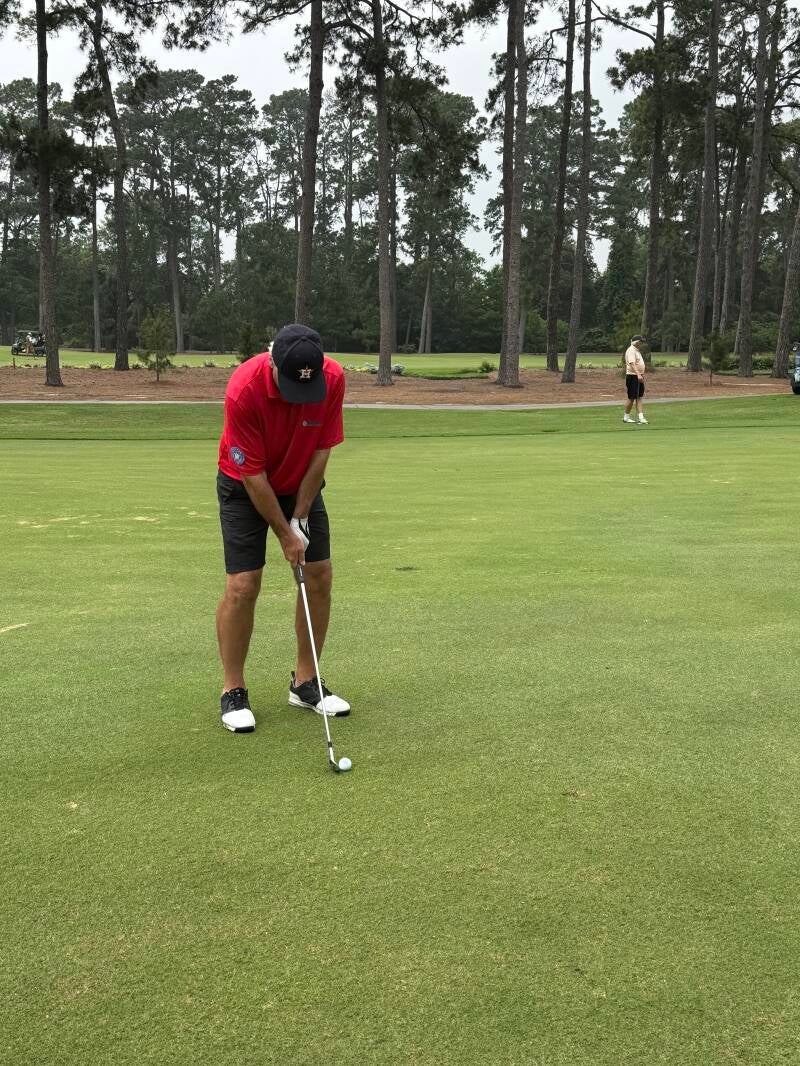
The round also became an unexpected lesson in golf instruction and golf psychology. Blaine introduced us to legendary teacher Charlie Epps, a longtime fixture in Houston golf who has spent decades mentoring players and growing the game. Epps’ influence clearly rubbed off on Blaine, because throughout the round he quietly dispensed little nuggets of wisdom.
On the greens, he talked about “swinging the grip” during the putting stroke.
Out of bunkers, his advice was simple:
“Be confident.”
After I made a double bogey on the fourth hole and asked how he handled bad holes during his tour career, his answer was beautifully uncomplicated.
“Move on.”
No swing theory.
No sports psychology lecture.
Just move on.
Honestly, that may be one of the best golf lessons ever given.
Of course, no great round is complete without laughter. We explained the concept of our “Deuce Club” to Blaine — if you make a 2 on any hole (par 3, 4, or 5), everyone else owes you two dollars. When I made a 2 on the 11th hole and my buddies started paying up, Blaine laughed and immediately appreciated the beauty of the game-within-the-game.
Later in the round, after one of us rammed a putt several feet past the hole, Blaine offered another classic bit of golf wisdom about the meaning of “USGA”:
“U Suck, Go Again.”
That one nearly brought the group to tears laughing.
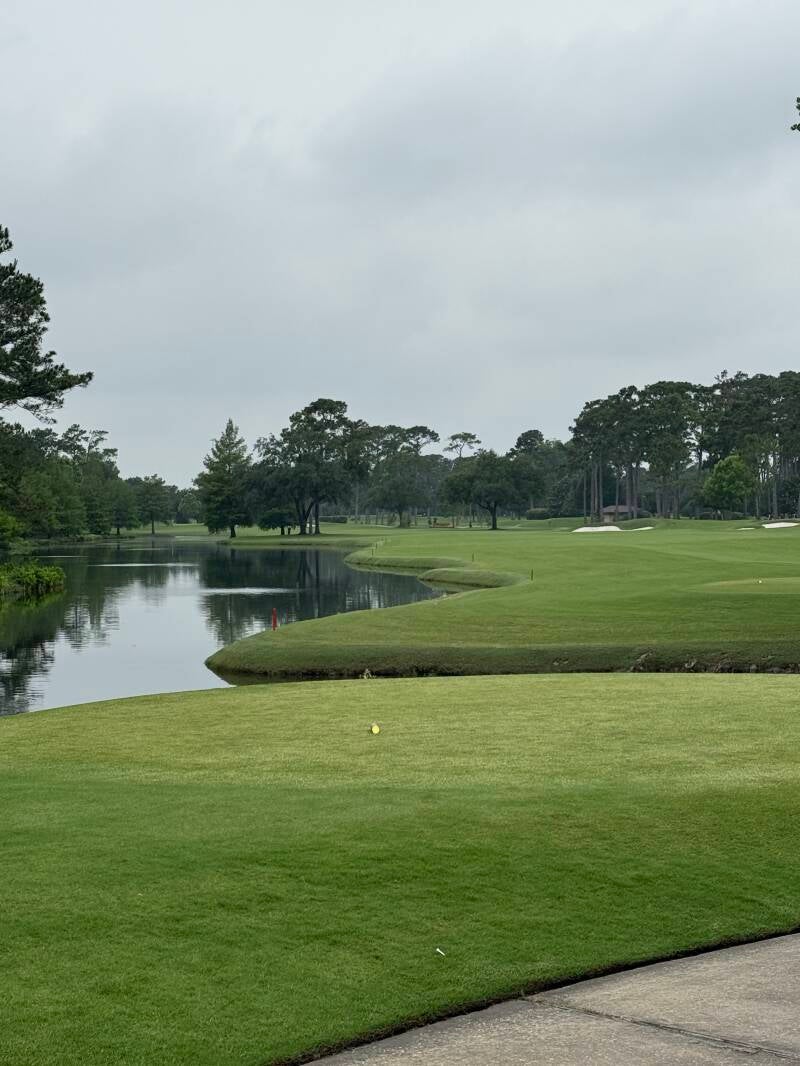
By the end of the day, what stood out most wasn’t that we had spent time with a five-time PGA Tour winner. It was that Blaine McCallister made everyone around him feel comfortable. He guided us around the course, shared stories freely, offered lessons only when appropriate, and made the round feel like an afternoon with an old friend rather than a celebrity appearance.
Blaine now lives in Jacksonville, but he was back in Houston for the Insperity Invitational and spent the day with us thanks to a Texas Golf Hall of Fame charity donation package that Laurie had purchased for me and two friends. Blaine does a lot of charity work and with his friends Charlie Epps, Jim Nantz, Fred Couples, and George Bush they started the Three Amigos Foundation. Their foundation has made great strides toward a cure for the rare eye disease (PXE) that causes loss of vision.
As I drove home afterward, I was reminded how lucky I am — not only to play this game, but to share it with wonderful people like Laurie, who somehow keeps making these unforgettable days possible.
Golf memories rarely center around scorecards. They center around people, stories, laughter, and those strange little moments that somehow stay with you forever. A persimmon 3-wood from a bunker. A flying driver in the rain. NASA conversations between shots. Two-dollar birdies. A simple reminder to move on.
And somewhere along the way, the accidental creation of one of The Master’s great traditions.
Not bad for one round of golf.
Add comment
Comments
George sounds like a afternoon that would be unforgettable for anyone.Jealous and happy for you guys!