I've been fortunate to play many of the world's great Open Championship venues—the Old Course at St. Andrews, Carnoustie, Royal Liverpool, Royal Lytham & St. Annes, and Royal Portrush—with Royal Troon and Turnberry coming up later this summer. Yet if someone offered me one tee time tomorrow at any Open Championship course, I'd choose Royal Birkdale without a second thought.

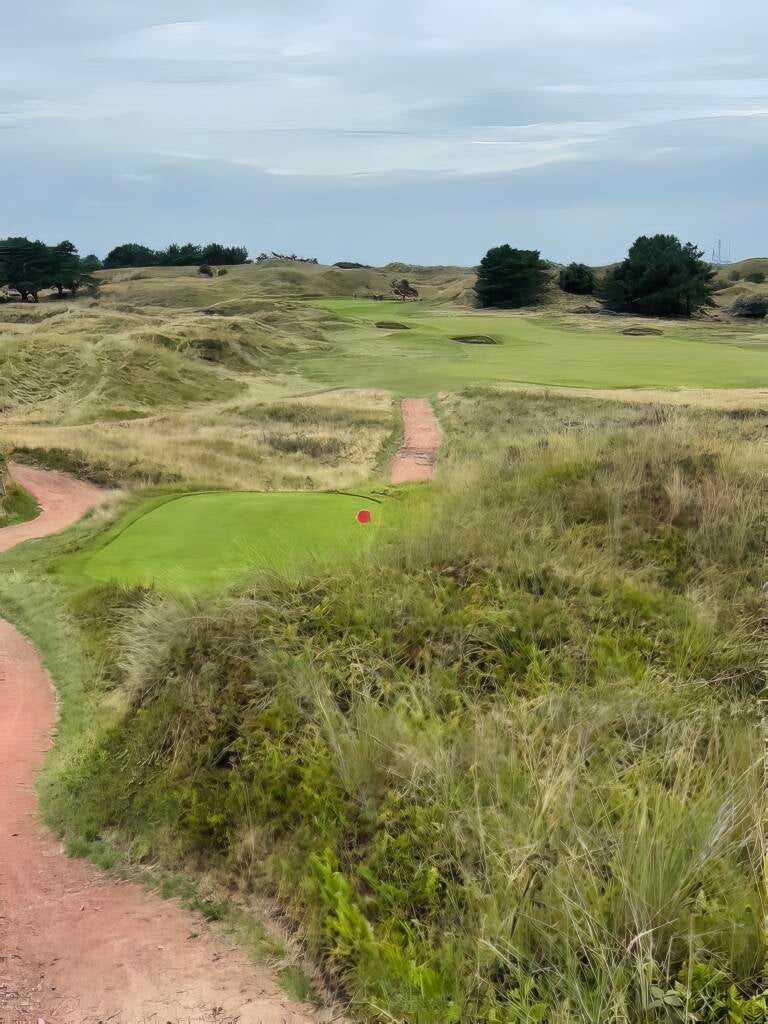
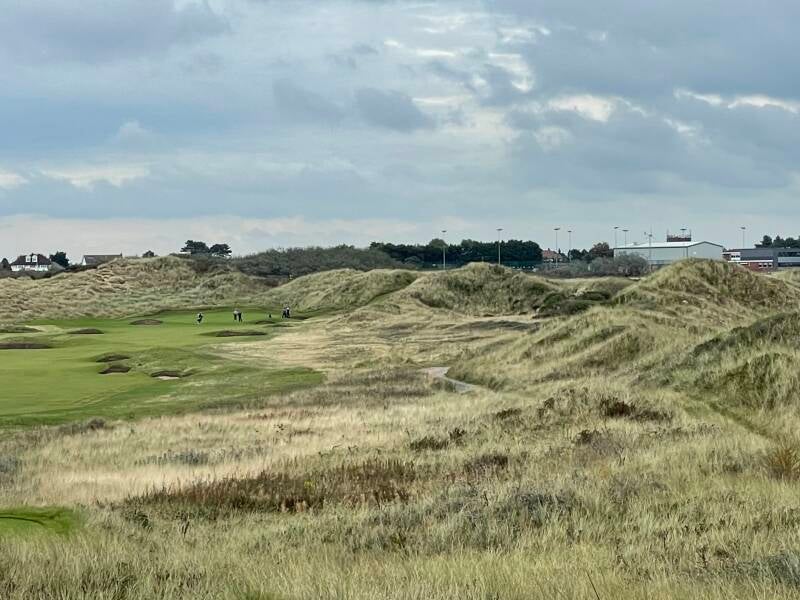
Unlike many famous links courses, Royal Birkdale has very few blind shots. Designed to wind through the valleys between towering sand dunes rather than over them, every hole sits clearly in front of you. The challenge isn't finding the fairway—it's having the skill to hit it. Miss by only a few yards and the thick rough or one of the perfectly placed bunkers quickly reminds you why this course has crowned so many great champions.
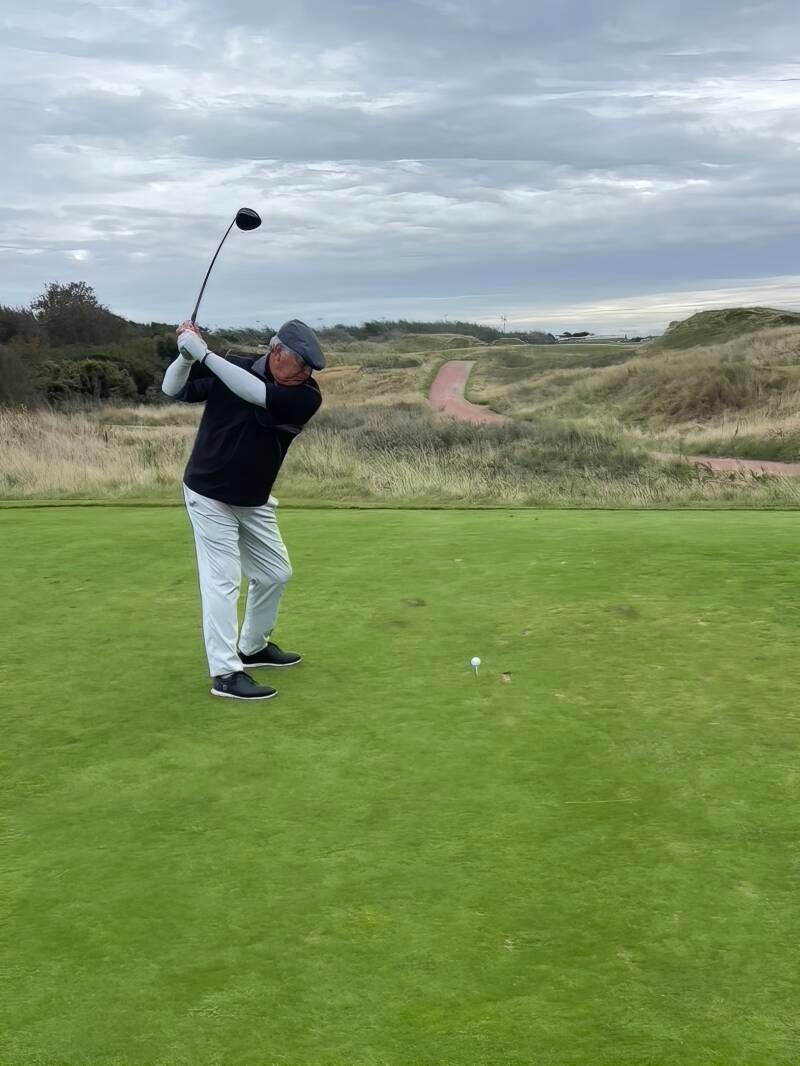
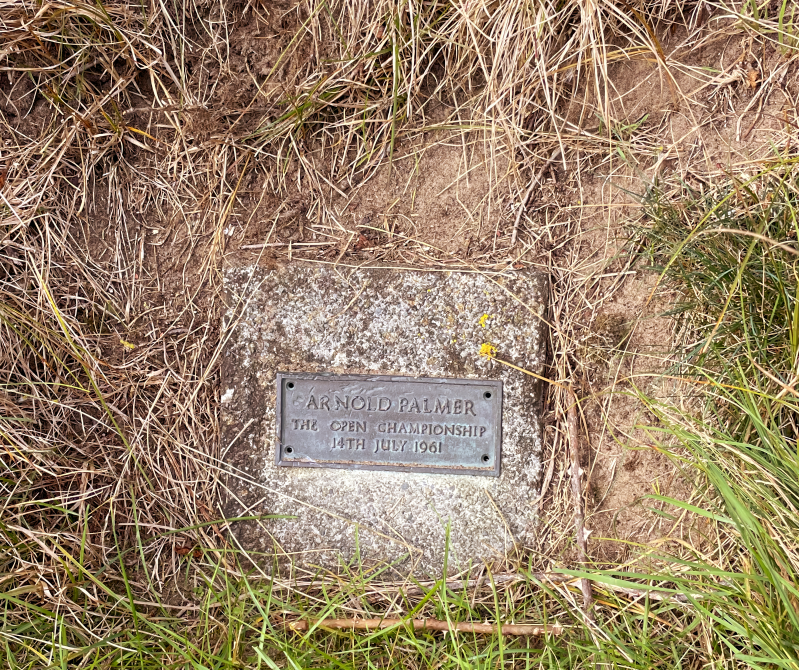
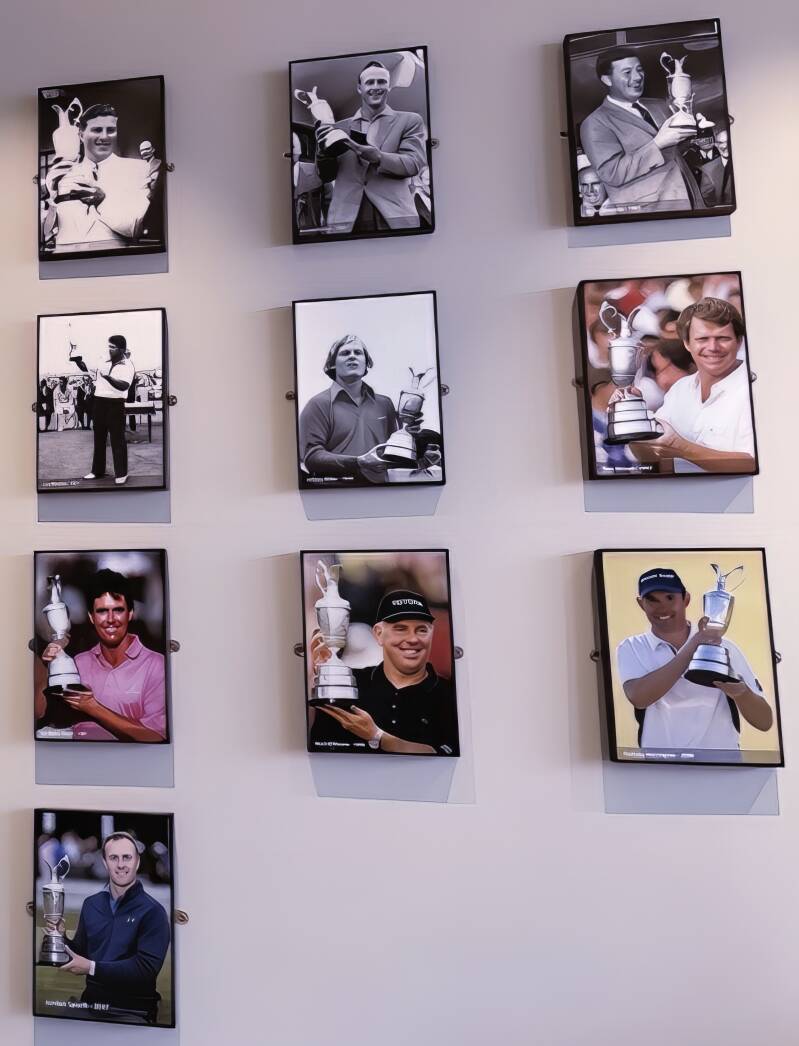
That philosophy has made Royal Birkdale a favorite Open venue for more than half a century. Arnold Palmer captured his first Claret Jug here in 1961, escaping disaster after hacking a six-iron from a blackberry bush on the closing stretch. The club put a commemorative plaque on that spot. Tom Watson's remarkable Open career is forever linked to Birkdale through legendary caddie Alfie Fyles, while Mark O'Meara survived brutal wind and rain to win here in 1998. Jordan Spieth added another unforgettable chapter in 2017 when his wildly errant drive on the 13th somehow became the turning point that led to one of the most improbable major championship victories in recent memory. Who will add their photo to the wall of champions in 2026?
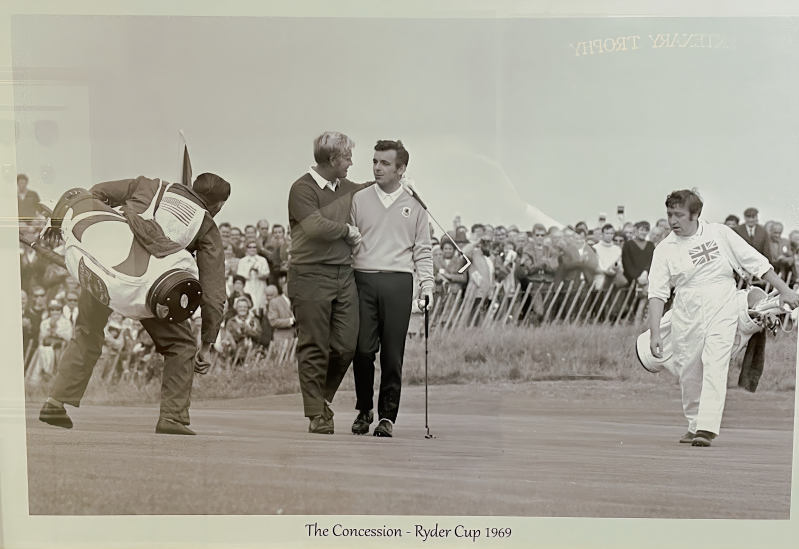
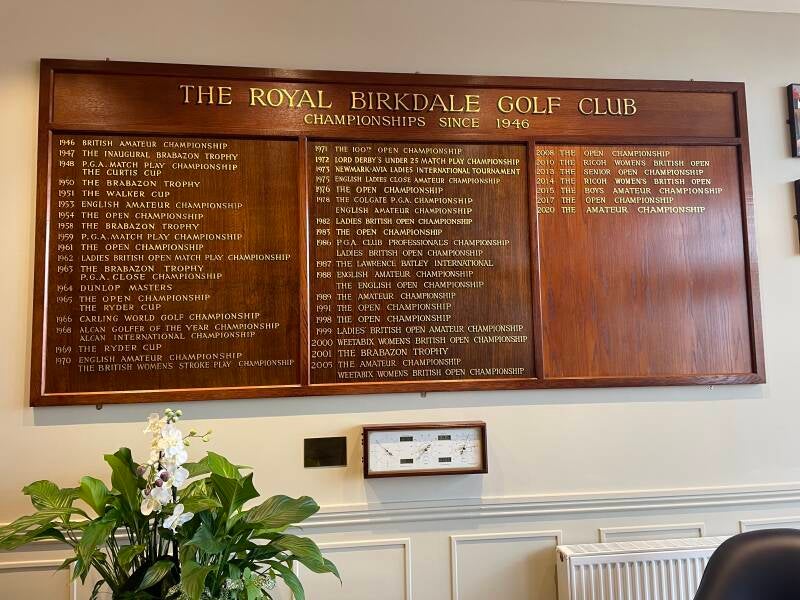
Royal Birkdale's history extends far beyond The Open. The club has hosted more major championships and international team events since World War II than any other club in the world, including Ryder Cups, Women's Opens, Amateur Championships, Walker Cups, and Curtis Cups. It was also the site of one of golf's greatest moments of sportsmanship in the 1969 Ryder Cup when Jack Nicklaus conceded Tony Jacklin's short putt, creating the first tie in Ryder Cup history. "The Concession" remains one of the defining moments in the game's history.
The course itself wastes no time introducing visitors to championship golf. The opening hole is a demanding par four requiring two exceptional shots simply to reach the green. Throughout the round, elevated tees provide magnificent views of fairways framed by massive dunes, while the firm greens reward thoughtful approach shots rather than sheer power. There are no tricks here—only honest golf that rewards precision and punishes carelessness.
One moment from my own round perfectly captured the spirit of Birkdale. After my second shot on the sixth hole disappeared into deep rough, my caddie found the ball, handed me my lob wedge and smiled.
"Nothing else will do here, George, except pure rage.”
Fortunately, pure rage worked.
The clubhouse is every bit as memorable as the course. Its iconic Art Deco design overlooks the finishing hole, while its walls celebrate more than a century of championship golf through photographs, clubs, trophies, and countless stories shared by members and caddies alike. You leave with the feeling that you've walked through living golf history.
Royal Birkdale isn't my favorite links course because it's the hardest or the most dramatic. It's my favorite because it's honest. Every good shot is rewarded. Every poor shot has consequences. There are no gimmicks, no lucky bounces to rely upon—just one of the purest examinations of championship golf ever created.
As the world's best players arrive for another Open Championship, they'll discover exactly what golfers have known for generations: Royal Birkdale doesn't beat you with tricks. It simply asks you to play great golf.
And that's why it's one of the finest courses in the world.
Add comment
Comments
Excellent read! Can’t wait to watch next week, and I really can’t wait to experience it myself!!