When the Golf Cart Becomes the Course Marshal
Technology Frustrations at Titirangi Golf Club
A MacKenzie Masterpiece in Auckland
There is something special about arriving at a course designed by Alister MacKenzie. His name carries imagination. Strategy. Subtlety. At Titirangi Golf Club, that imagination is alive and well. The MacKenzie Society plaque in the clubhouse quietly reminds visitors that this isn’t simply a pleasant parkland round — it’s architecture with intention.
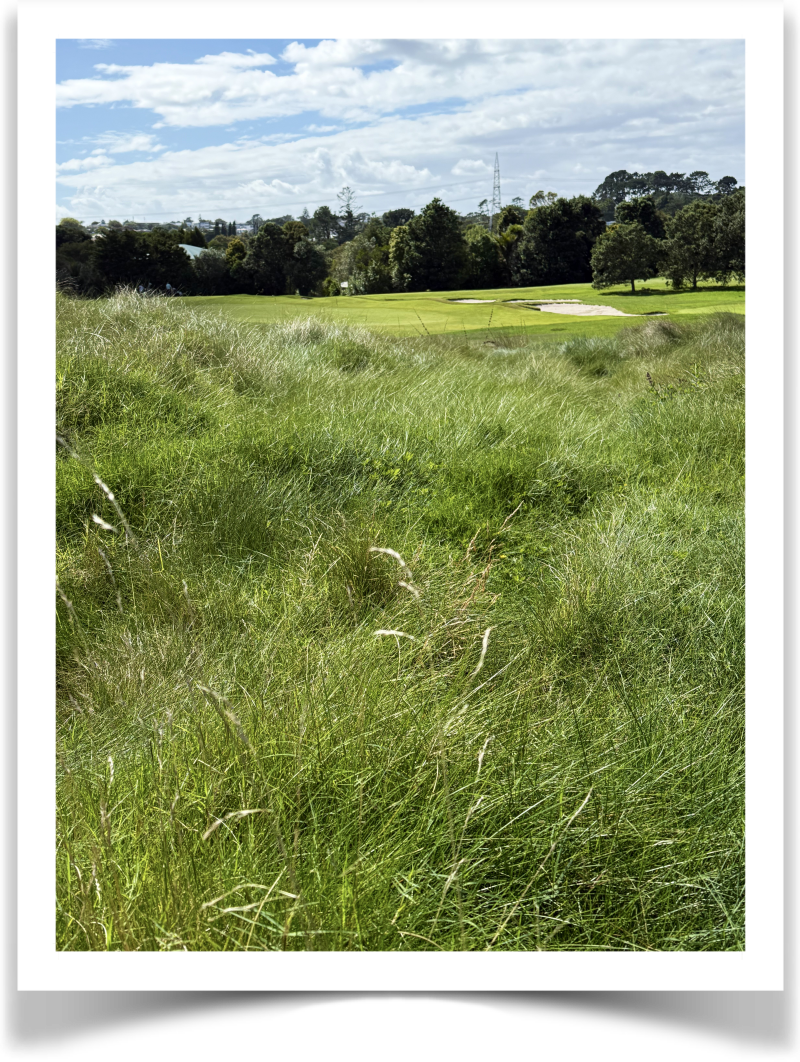
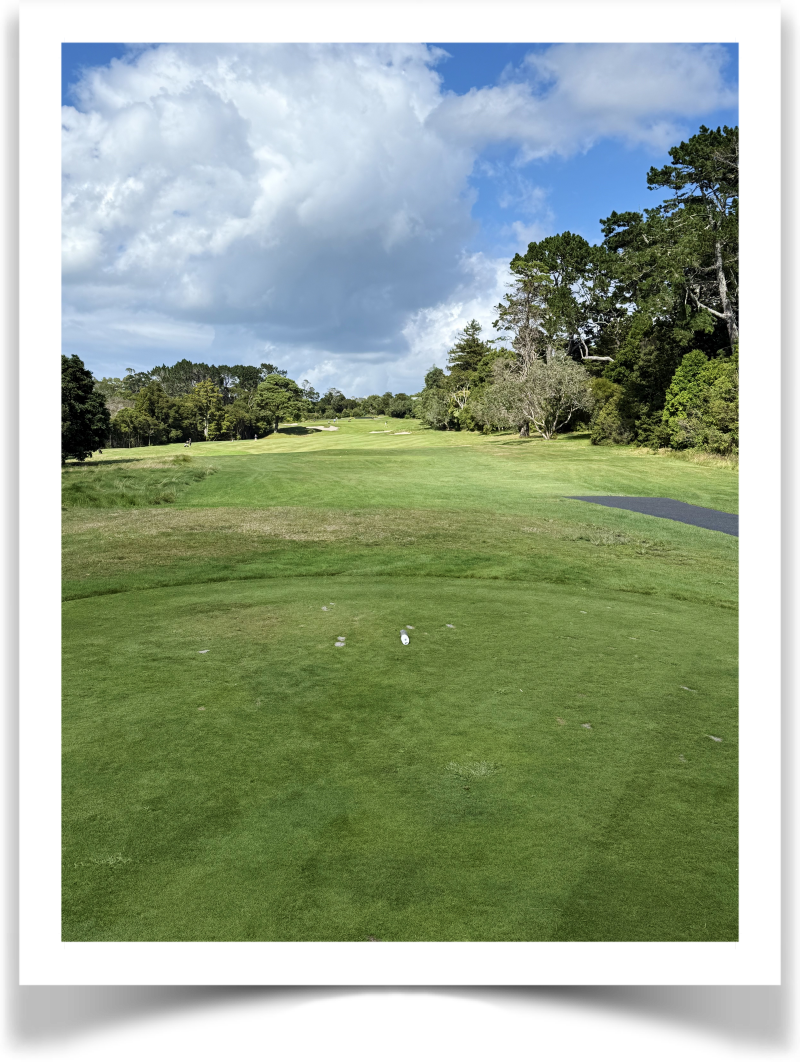
The course tumbles across dramatic elevation changes. Fairways bend naturally through corridors of mature trees. Large, multi-tiered greens sit defended by bold, sweeping bunkers that look sculpted rather than dug. Even the iconic green Titirangi clock near the clubhouse feels timeless — a fitting symbol for a course rooted in classic design philosophy.
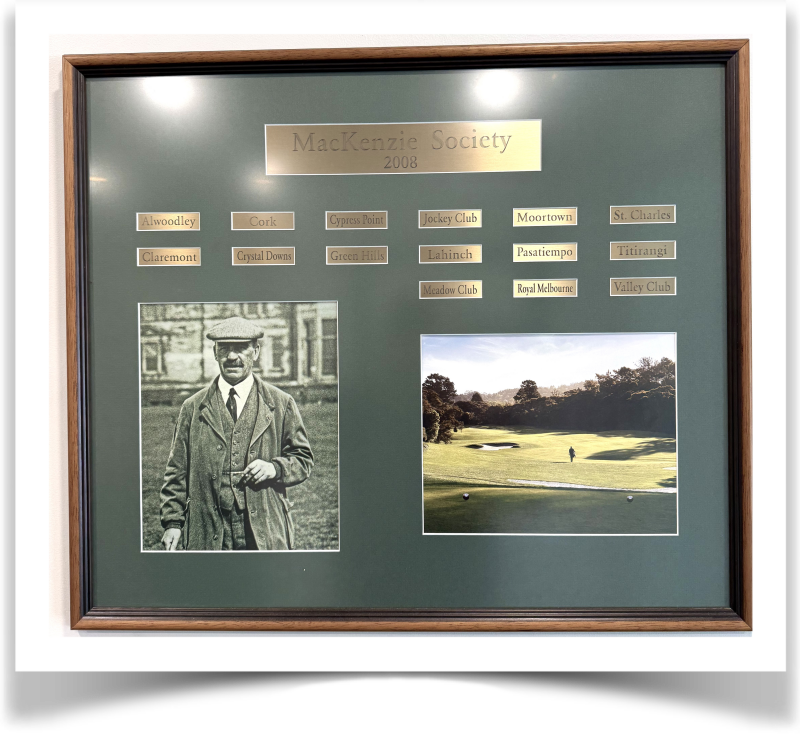

Everything about Titirangi whispers tradition.
And then… you rent the cart.
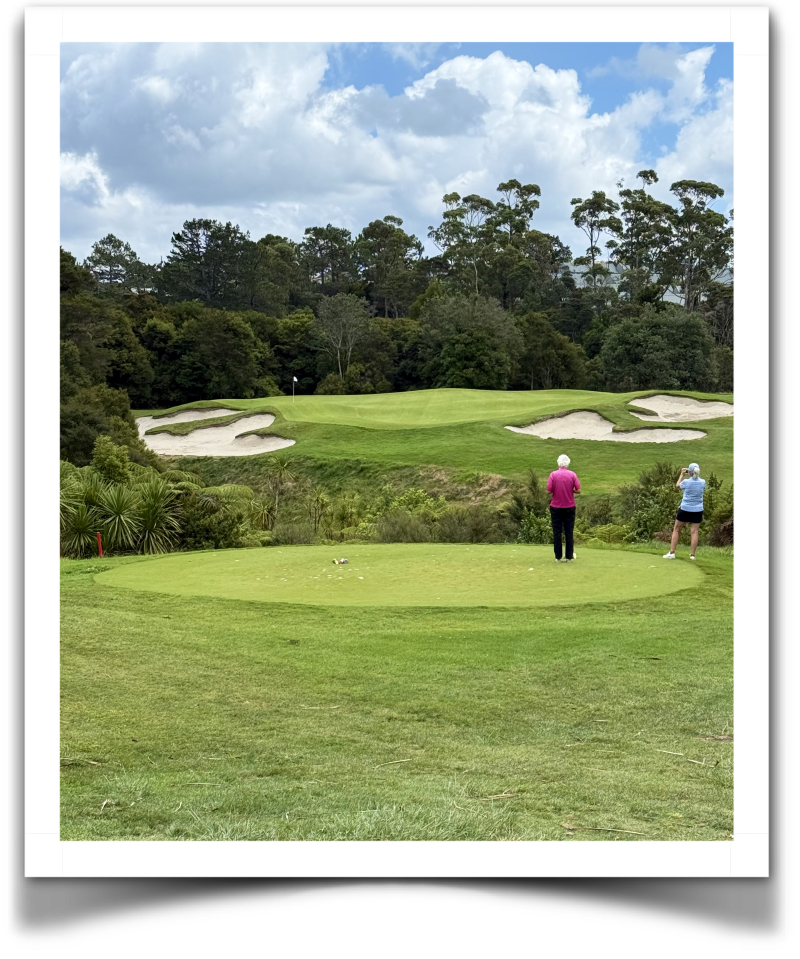
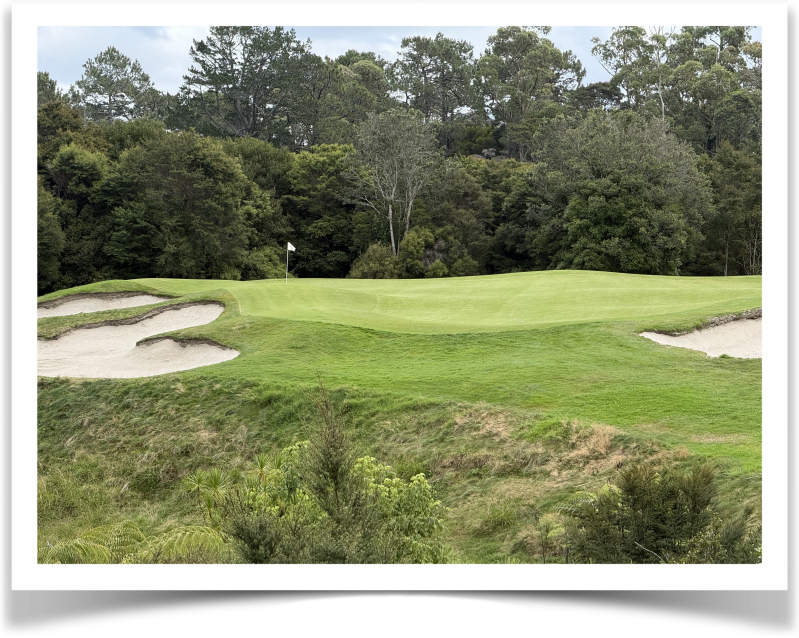
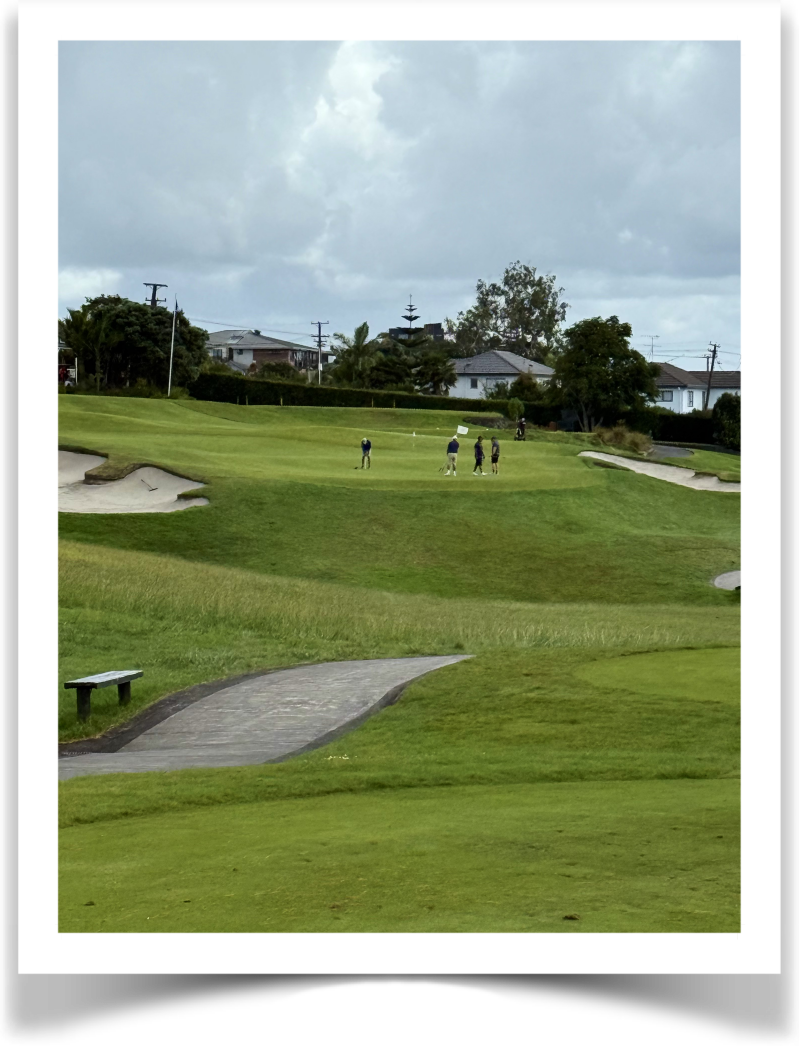
The course design is deceptively straightforward, but certainly not a pushover. For example, the 14th hole is a 170-yard par 3 that perfectly captures MacKenzie’s genius. From the tee, the green stretches wide and deep, nearly 70 yards from front to back. The surface rises subtly and falls away into multiple tiers, demanding precision rather than brute force.
The pin, tucked in the far back left corner, is guarded by a massive bunker that swallows anything under-committed.
It’s the kind of hole that forces a decision:
Do you play safely to the middle?
Or commit to the back tier and trust your number?
It rewards thought. Feel. Awareness.
Which brings us to the GPS…
When the Cart Refuses to Cooperate
We rented a GPS-equipped golf cart — one of the modern models with geofencing, yardages, and pace-of-play monitoring.
In theory, helpful.
In practice, baffling.
The system had programmed boundaries designed to prevent carts from entering restricted turf areas. Fair enough. Protect the course.
Except the cart would occasionally stop while we were on the cart path.
Yes. On. The. Cart. Path.
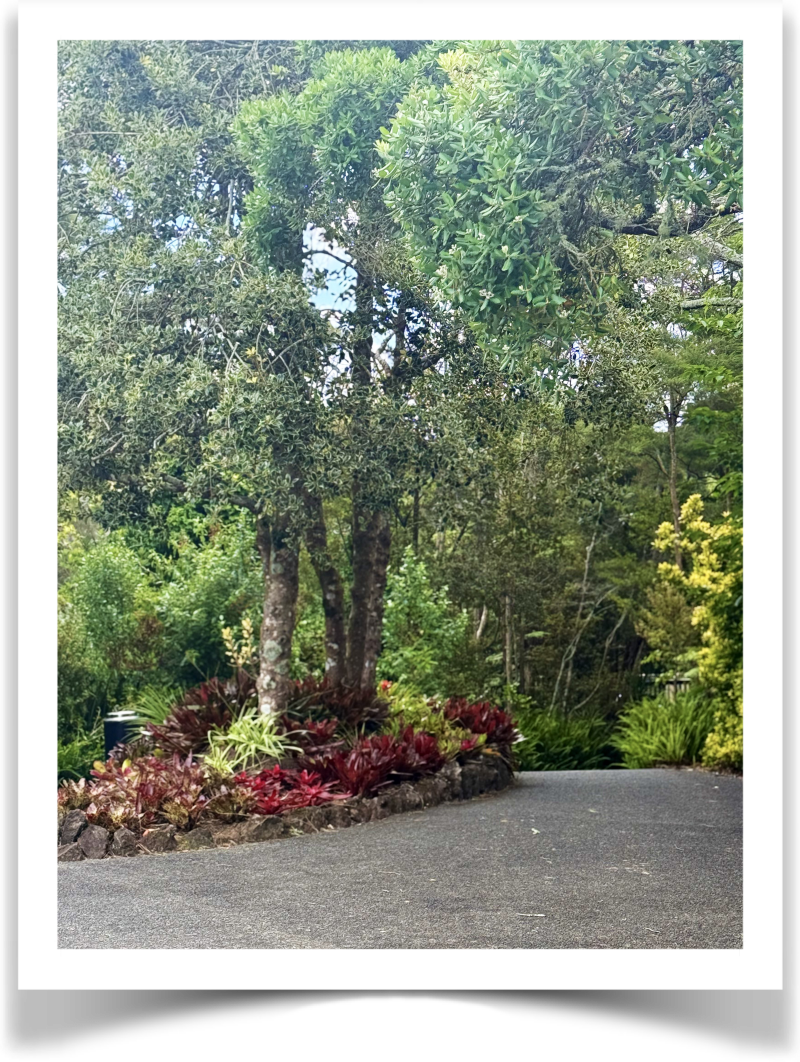
The only solution? Put the cart in reverse, back off the path, angle toward the trees near the green, and creep forward until the software allowed movement again.
There is something wonderfully ironic about being forced into the rough in order to comply with turf-protection software.
The Electronic Scolding
Then came the pace monitor.
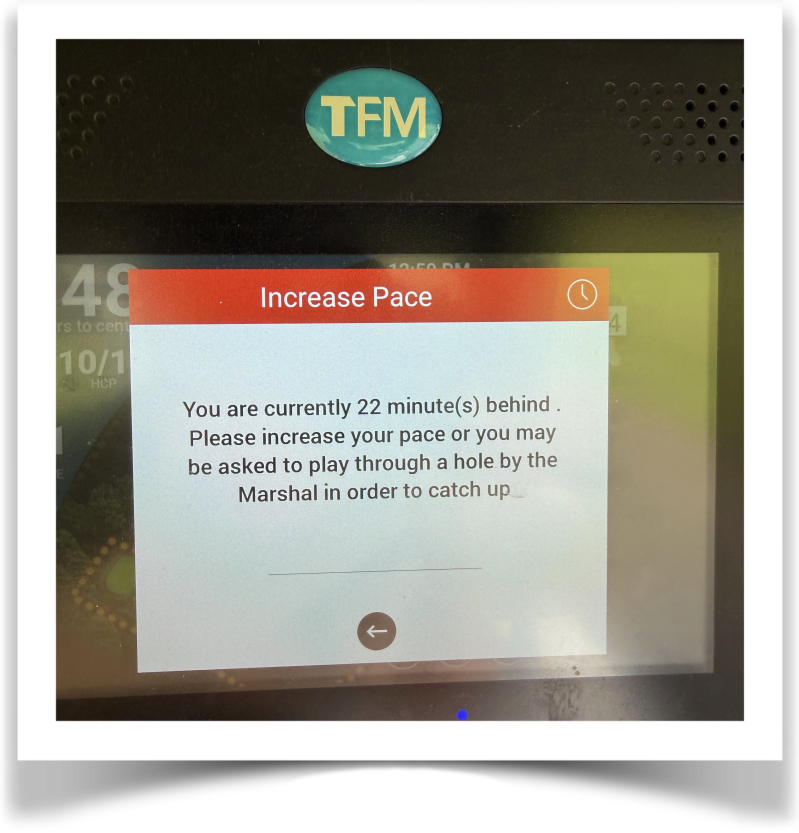
“Increase Pace.”
“You are currently 22 minutes behind.”
Behind whom?
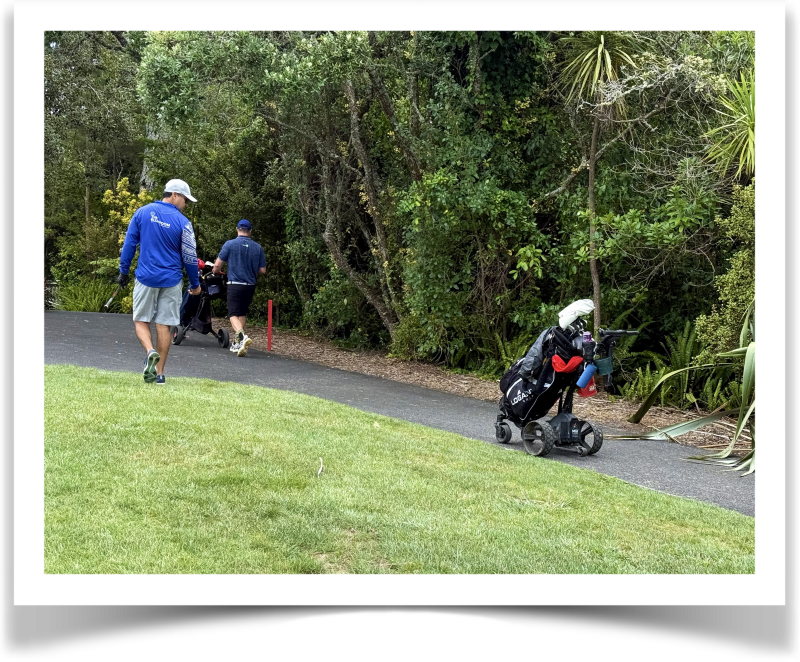
We were routinely waiting on the group of walkers ahead of us at every tee box. You could see them in the fairway. We weren’t searching for golf balls. We weren’t reenacting a U.S. Open. We were simply… waiting.
Yet the digital reprimand persisted like a disappointed school principal.
There is something uniquely irritating about being told you are slow while physically unable to go any faster.
Golf already contains enough tension — distance, elevation, wind, green speed, lie condition, bunker depth, club selection. It does not require a dashboard notification adding anxiety to the mix.
Meters to the Middle
The GPS also provided yardages — in meters — to the center of the green only, the user was not allowed to change distance to yards (not that it really mattered).
On a MacKenzie green stretching 70–80 yards from front to back, the “center” is almost meaningless. A front-right pin and a back-left tier can demand entirely different clubs.
Precision Matters
Pin Location Matters
Elevation Matters
"Middle" is fine on a municipal course with small, flat greens. On a world class design , it feels like a shortcut.
5 Things Golf Cart GPS Gets Wrong
- It Thinks “Center of the Green” Is Good Enough
On a green that stretches 80 yards, “center” is like giving directions to “somewhere in Texas.” Technically accurate. Practically useless. - It Assumes You’re the Problem
“Increase Pace.”
We’re staring at the group ahead of us. Unless you’d like us to hit through them, we’re doing just fine. - It Trusts Software Over Common Sense
When the cart stops on the cart path — to protect the turf — and forces you toward the trees to proceed, the algorithm may need a quiet word. - It Believes More Data Equals Better Golf
Wind icons. Flyovers. Pace clocks.
Meanwhile, the real question remains: can you hit the shot? - It Doesn't Know That Golf Should Be Enjoyed
Architecture invites thought. The landscape invites appreciation. A flashing red warning invites neither.
Architecture vs. Automation
None of this diminishes the brilliance of Titirangi. The course itself is a treasure — strategic, sculptural, endlessly engaging.
MacKenzie believed in visual deception, strategic options, and allowing the player to think.
He did not design courses expecting a dashboard to intervene.
There is a quiet beauty in walking a great course with a yardage book, a rangefinder, and your own judgment. Technology can enhance golf. But when it begins to interrupt, scold, and override common sense, something feels slightly out of balance.
Perhaps the next upgrade in golf cart GPS systems won’t involve more sensors or stricter boundaries.
Perhaps it will simply include one additional message:
Relax. Enjoy the course.
What are your thoughts on Cart GPS Systems?
Add comment
Comments